During electric welding operations, flying sparks and molten metal are potential hazards that can occur at any time. When it comes to the two most common types of welding work clothes available on the market – leather and flame-retardant cotton, many welders often find themselves in a dilemma: Should they choose the leather that offers better protection, or the flame-retardant cotton that provides more comfort? This article will conduct a detailed comparison from multiple perspectives to help you make the best choice based on your actual working conditions.
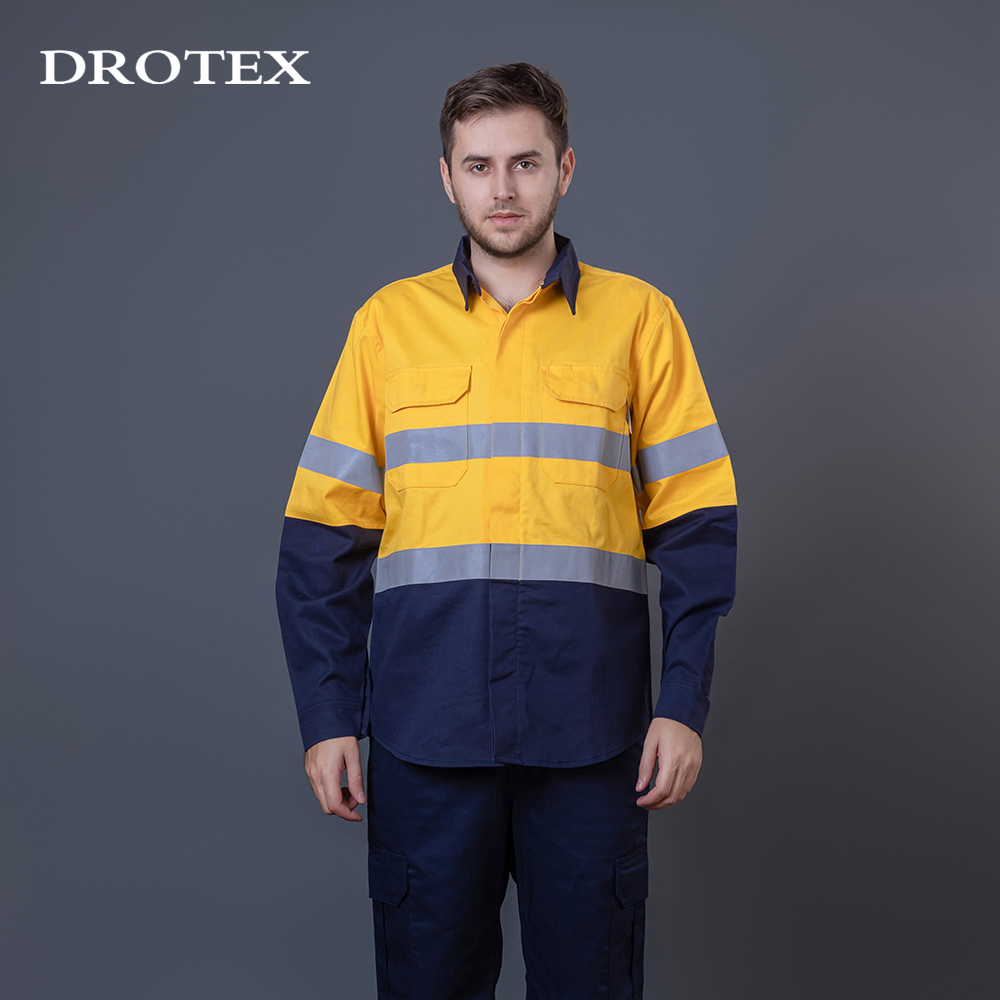
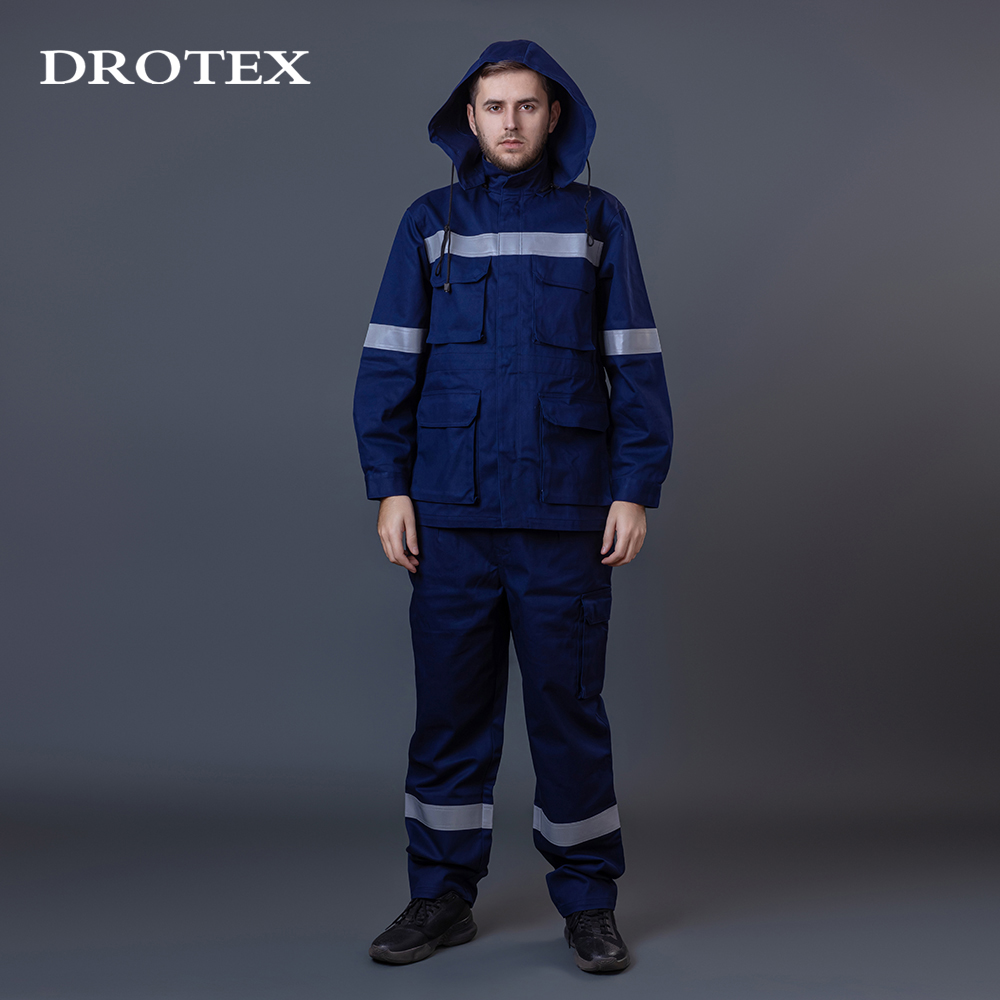
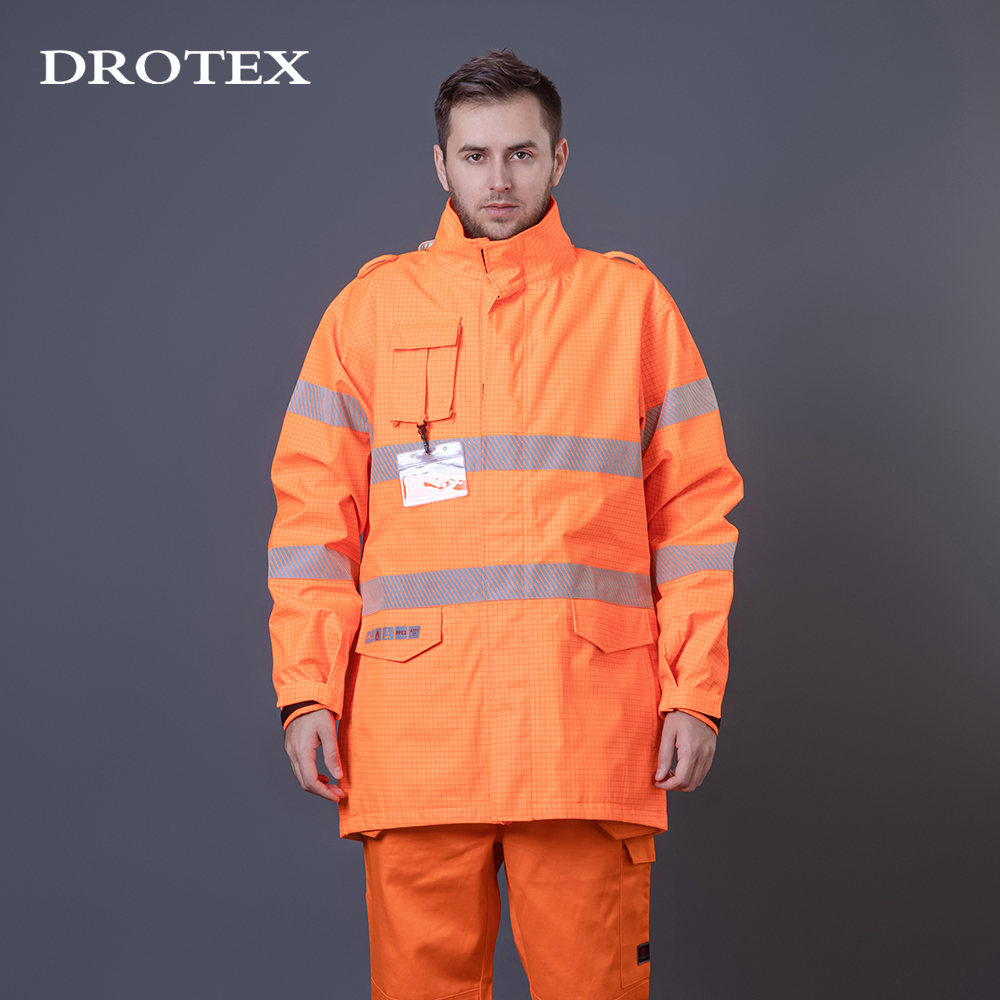
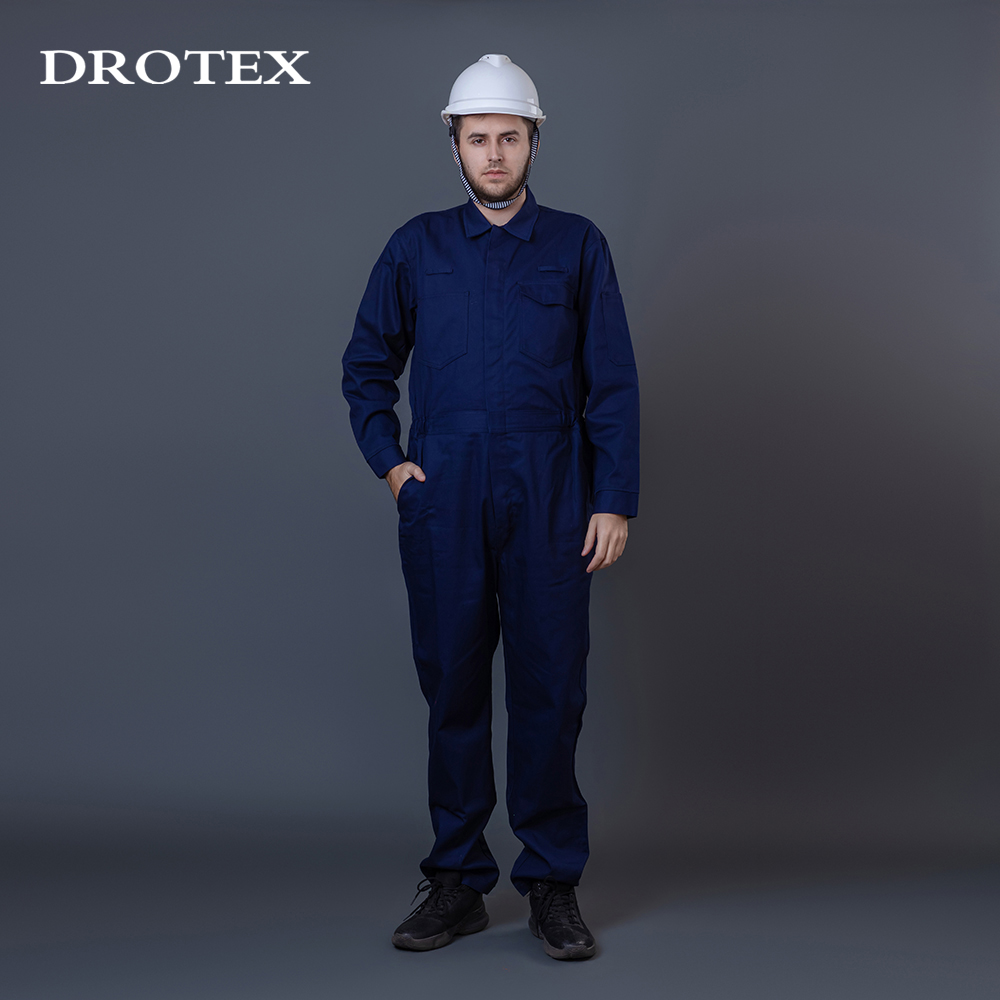
Before conducting a detailed comparison, we need to first understand the fundamental differences between these two materials. Welding Electrician Maintenance Flame Retardant Anti-static Pants Jacket Set
The leather welding suit mainly utilizes the natural density and thickness of the leather to form a physical barrier to prevent heat from penetrating. Leather has excellent wear resistance and puncture resistance, and can effectively resist the splashing of large particles of molten metal.
The flame-retardant cotton welding suit is made of specially treated cotton fibers. The principle of its flame retardancy is that when it comes into contact with flames or high temperatures, the fibers will accelerate dehydration and carbonization, forming a carbonized protective layer that isolates oxygen and heat, thereby preventing the spread of combustion. Once the fire source is removed, the flame-retardant cotton will extinguish itself and will not continue to burn.
Leather: Due to its density and thickness, leather is recognized as the best material for resisting molten metal splashing. When large, hot metal droplets land on the leather, the leather can effectively prevent heat from penetrating and protect the skin from injury. This is why welders usually wear additional leather aprons or sleeves during overhead welding or high-splashing operations.
Flame-retardant cotton: Although flame-retardant cotton has excellent flame-retardant properties, when exposed to sparks and molten metals, the fabric may still get charred or develop small holes. Therefore, for high-intensity welding operations, simple flame-retardant cotton may not provide sufficient protection.
Leather: Leather can withstand prolonged exposure to high temperatures without losing its structural integrity. It is suitable for welding processes such as MIG welding and arc welding, which generate high heat.
Flame-retardant cotton: The cotton fabric that has undergone flame-retardant treatment can effectively delay the burning process. However, in a continuous high-temperature environment, its protective performance will gradually decline over time. According to national standards, the continuous smoldering time of flame-retardant fabrics should not exceed 5 seconds.
Summary: In terms of protection performance, genuine leather comes out on top, especially suitable for high-intensity and high-splash welding scenarios.
Leather: A typical full-leather welded jacket can weigh over 8 pounds (approximately 3.6 kilograms). This weight increases the physical exertion of the welder and accelerates fatigue. Moreover, the leather becomes harder and less flexible over time, further restricting the range of motion.
Flame-retardant cotton: The flame-retardant cotton material is relatively lightweight, allowing for more flexible movement when wearing. The flame-retardant cotton welding workwear that has been properly tailored can provide a wider range of joint movement and reduce the resistance when bending the arms.
Dermis: The dense structure of leather results in poor breathability. In hot environments or during intense work, the heat and moisture inside the leather clothing are difficult to escape, which can easily cause welders to experience heat stress reactions. This is particularly evident in summer or in hot workshops.
Flame-retardant cotton: The natural cotton fibers have excellent moisture absorption and breathability, which can help drain sweat and keep the body dry, significantly enhancing the comfort during long periods of work.
Flame-retardant cotton can be designed through three-dimensional cutting to enhance the wearing comfort while ensuring protection. For instance, the sleeveless structure can increase the range of motion of the shoulder joint by 28%, and the elbow-opening design can reduce the resistance of arm flexion by 25%.
Summary: In terms of comfort, flame-retardant cotton comes out on top, especially suitable for welders who need to work for long periods or in hot environments.
Leather boasts excellent wear resistance and tear resistance, remaining durable even under extreme conditions. However, leather requires special care. It is difficult to clean thoroughly after being exposed to oil stains, and it will become harder and more brittle over time.
There is no absolute superiority or inferiority between genuine leather and flame-retardant cotton materials. The key lies in whether they match your actual working environment. If you mainly engage in high-intensity, high-splash heavy welding operations, genuine leather is a safer choice; if you are performing light welding or working in a hot environment for a long time, flame-retardant cotton can provide a better comfort experience. For most scenarios, combining the two materials often allows for a balance between safety and comfort.
DROSAFETY offers a wide range of welding protection products in various materials, catering to the needs of different welding scenarios. All products strictly adhere to international safety standards, ensuring reliable protection while also emphasizing comfort during wear and ergonomic design, providing professional and considerate safety guarantees for every welder.