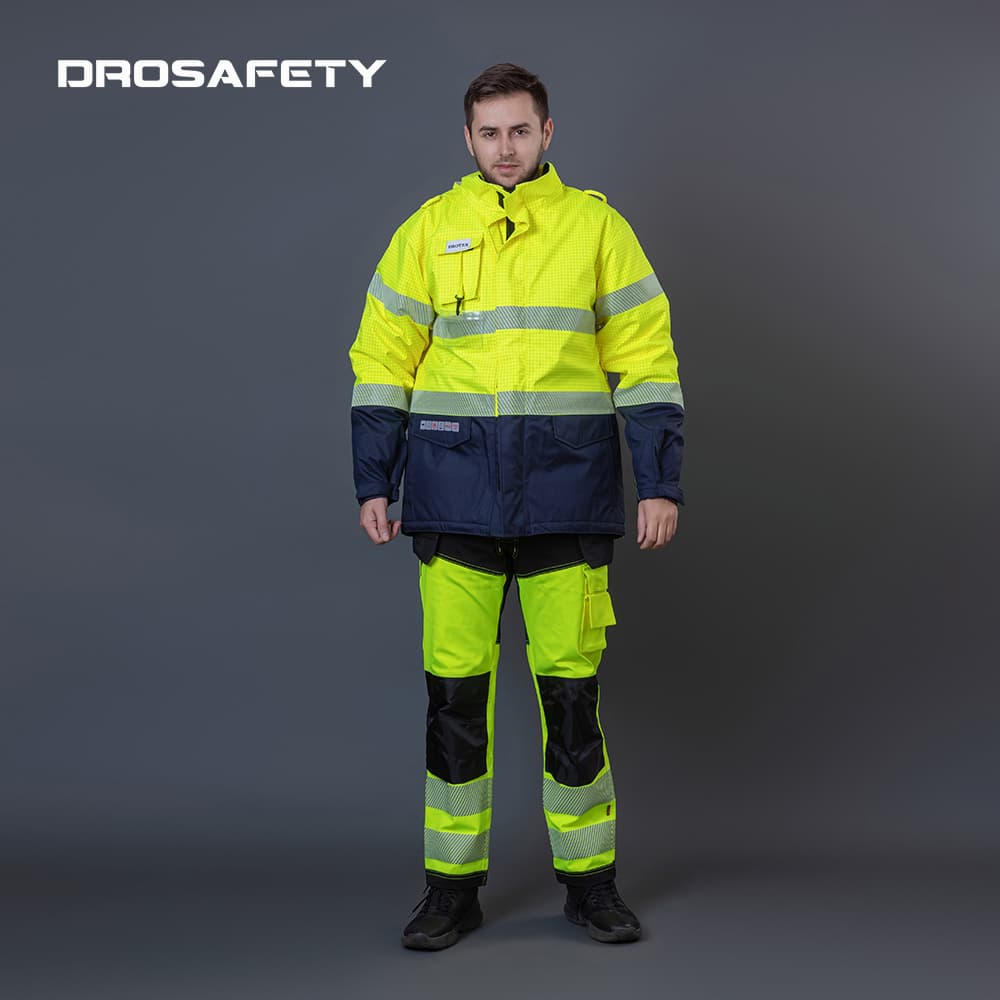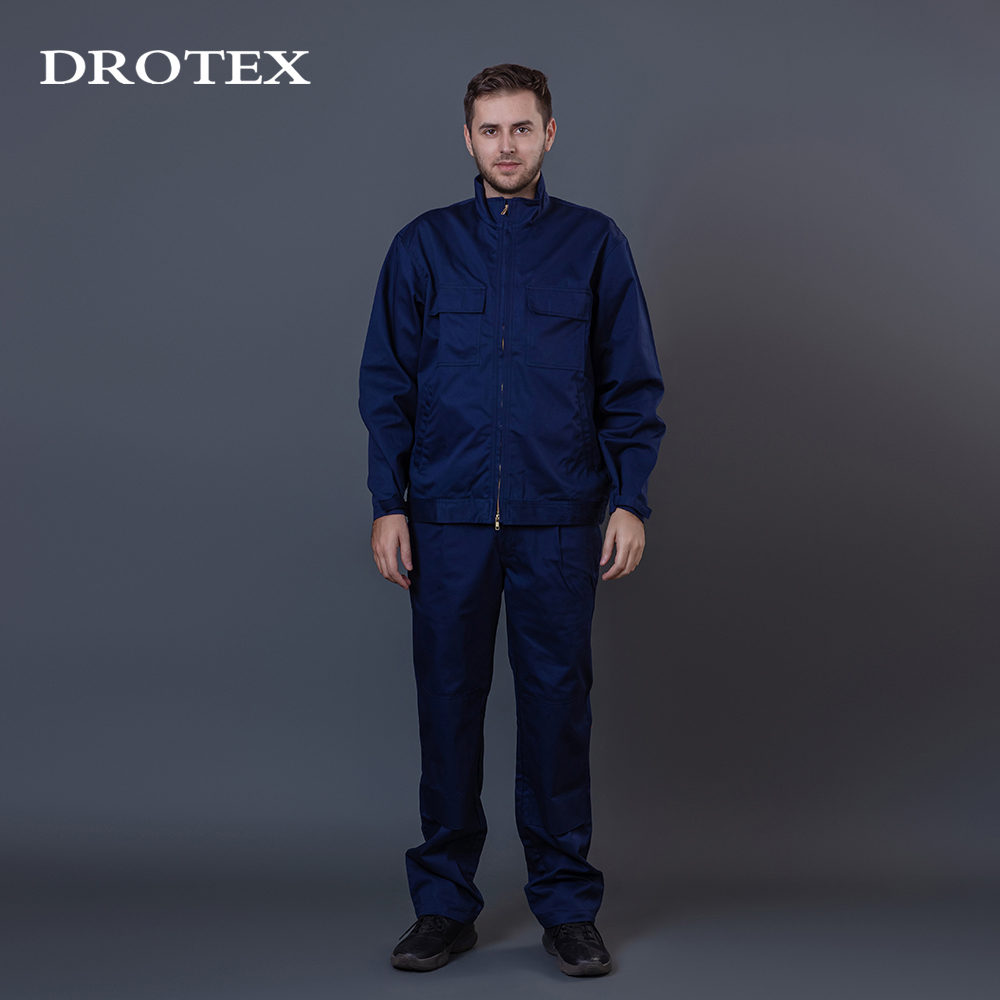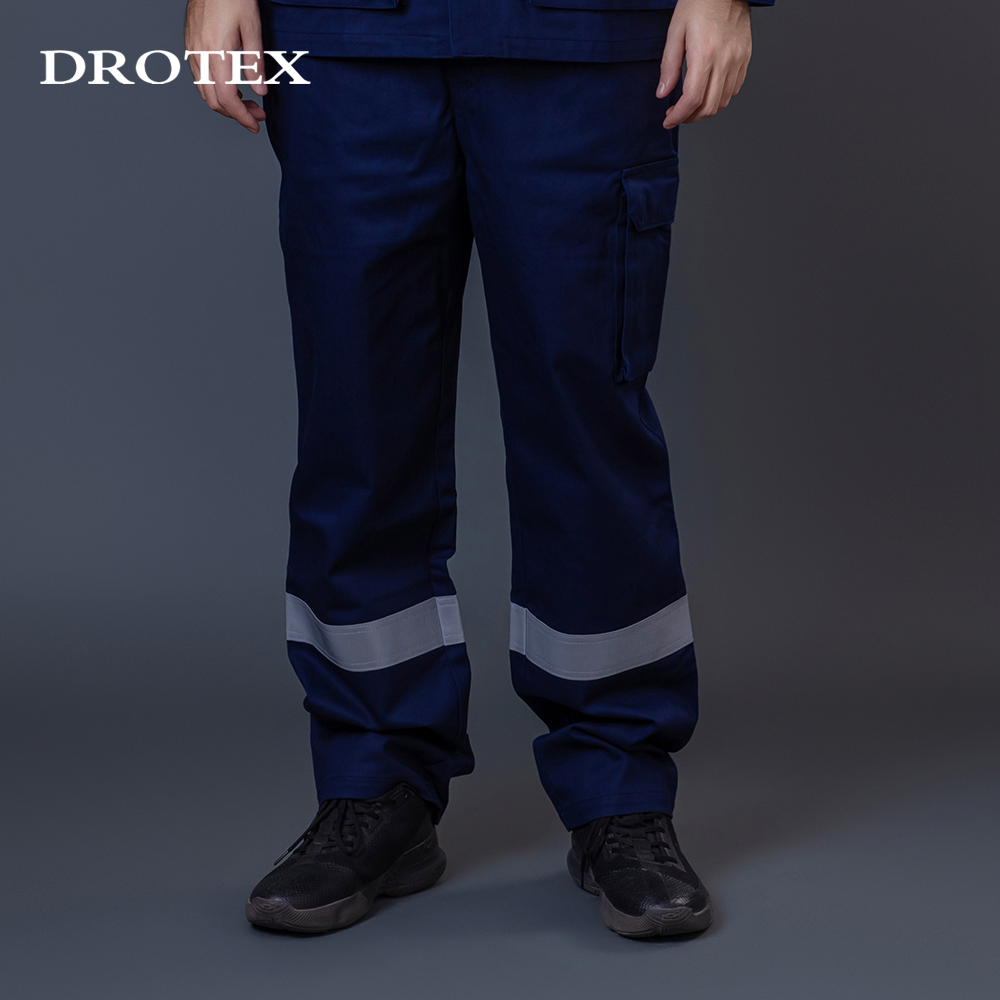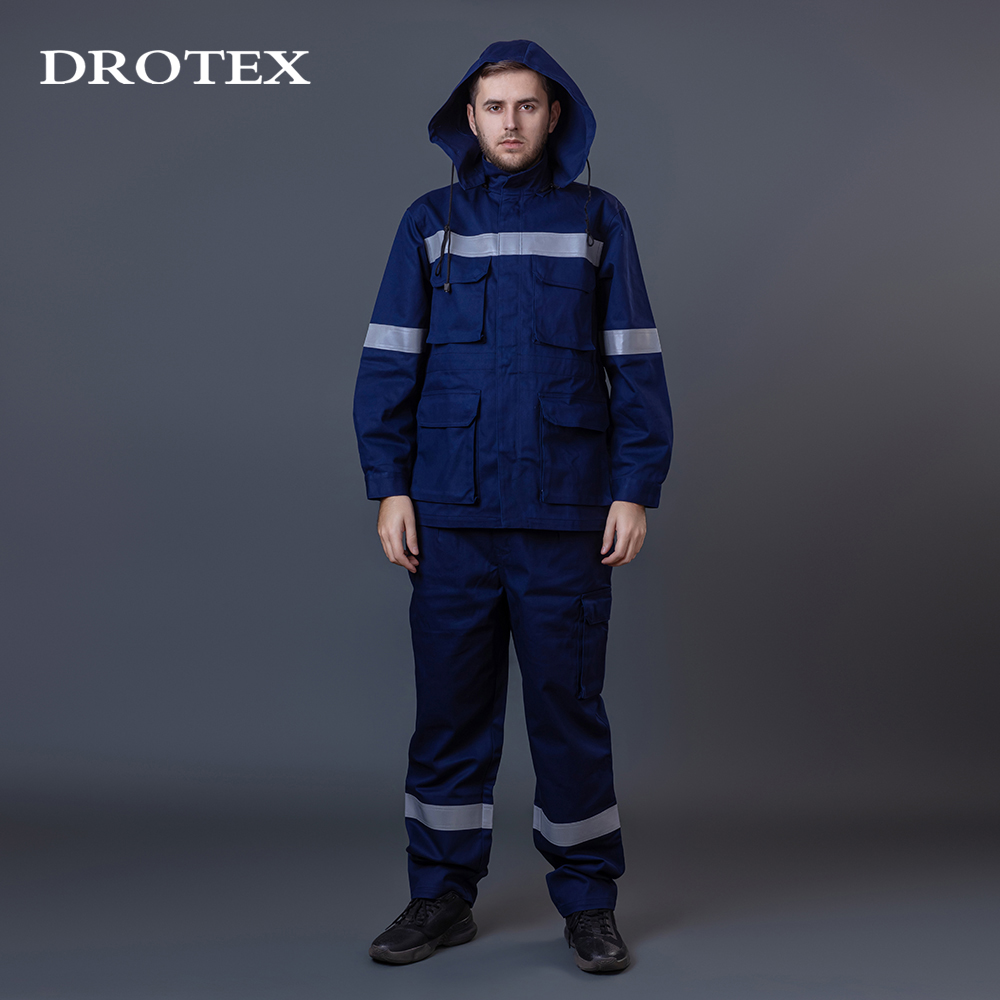
Many factories face a dilemma when purchasing protective workwear: choosing between inherently flame resistant fabrics and after-treatment flame retardant garments. Most flame retardant jackets and shirts widely available on the market use after-treatment technology, which relies on post-processing impregnation with fire retardant chemicals to achieve fire protection. This method has clear advantages and disadvantages—here’s everything you need to know to avoid pitfalls in procurement.
 The primary benefit is cost efficiency. These garments are made from standard cotton or polyester-cotton base fabrics, with only an additional flame retardant finishing process. The raw material costs are significantly lower than those of permanent flame resistant materials like aramid fibers. For companies issuing large quantities of uniforms, this results in substantial budget savings, making them ideal for workplaces with high labor numbers, short-term construction projects, or low-risk storage environments. Additionally, customization options are highly flexible—whether it’s hooded waterproof reflective jackets or long-sleeve plaid work shirts, various fabrics, colors, and functional accessories can be combined during production. With short lead times, even urgent orders can be delivered quickly. High-quality, formaldehyde-free phosphorus-based fabric offers softness and breathability, ensuring comfort during extended wear without stiffness. When new, these garments meet national flame resistance standards, extinguishing quickly upon exposure to sparks or small flames, suitable for light mechanical processing and general warehousing where open flames pose minimal risk.
After-treatment flame retardancy depends on chemical additives adhering to the fiber surface. The fire resistant effect is not permanent; repeated washing gradually depletes the chemical treatment. Low-end products typically withstand only about ten washes, while higher-end cross-linked treatments may last up to 50 washes. Beyond this limit, flame resistance deteriorates sharply, increasing the risk of burns from open flames if worn further. In high-risk working environments such as welding, metallurgy, power generation, or oil and gas operations, where molten metal, electric arcs, and sparks are common, the protective layer of after-treated fabrics can easily break down. Their level of protection falls far short of inherently flame resistant garments. Moreover, low-quality, cheap products may retain irritating chemical residues, causing skin irritation when worn directly against the body, and producing acrid smoke when burned. Flame retardant agents also slightly reduce fabric abrasion resistance, and exposure to oil stains, strong alkaline detergents, or high-temperature drying accelerates the breakdown of the flame retardant coating. Companies must establish separate laundry guidelines, adding hidden management costs. Frequent replacement of workwear over time can result in considerable long-term expenses.
In summary, after-treatment flame retardant workwear offers excellent value for low-risk environments and large-scale temporary staffing needs. However, they are not recommended for prolonged use in high-flame or high-arc scenarios such as welding, chemical processing, or electrical work. When purchasing, prioritize formaldehyde-free, wash-resistant phosphorus-nitrogen treated fabrics, request complete water-wash durability test reports, and replace garments promptly once they reach their specified wash limit. Only then can you balance cost-effectiveness with workplace safety.