Sure! All-cotton fabric can definitely be used to make high-visibility clothing, but it is usually not the best or most professional choice.
The following is a detailed explanation of the advantages and disadvantages of all-cotton fabric in the application of high-visibility clothing, its common forms, and better alternative options.
The advantages of cotton fabric (why it can be considered)
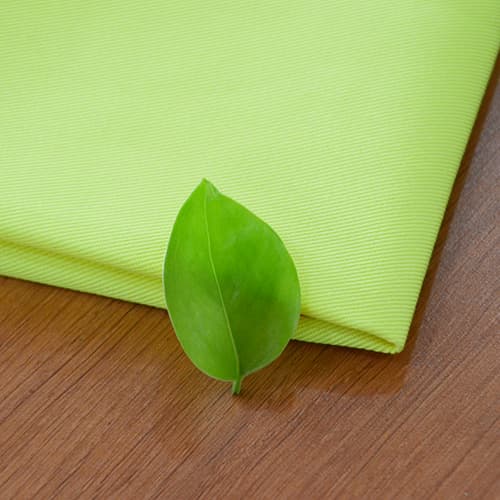
- Extremely comfortable: Cotton fabric is soft to the skin, breathable, and moisture-absorbent. It is more comfortable to wear for a long time than synthetic fibers, especially suitable for people who need to work outdoors for a long time or in hot environments.
- Excellent dyeing performance: Cotton fibers can be easily dyed into bright colors (such as fluorescent yellow, fluorescent orange), which is the basis for achieving high visibility.
- Lower cost: Compared to some high-tech functional fabrics, pure cotton fabrics have a lower cost in themselves.
The disadvantages of cotton fabric (why it is not the best choice)
Lack of functionality:
- Poor reflectivity: The cotton fibers themselves do not reflect light. To achieve a reflective effect, reflective strips must be adhered or coated onto the fabric. These reflective strips are usually made of PVC or glass microbeads, and the junctions between them and the cotton fabric may become weak points in terms of durability.
- Poor water resistance: Cotton fibers have a strong water absorption capacity. When exposed to rain or a humid environment, they will quickly absorb moisture, becoming heavy and clinging to the body, causing discomfort during wear. Moreover, in cold weather, it is extremely dangerous because wet clothes will quickly take away body heat.
- Poor quick-drying property: Once it gets wet, the drying process is extremely slow.
Issues related to durability and stability:
- Prone to wrinkling and shrinking: After washing, cotton products are likely to shrink and wrinkle, which may affect the position of the reflective strip and the overall dimensional stability of the garment.
- Malleability is average: Compared to synthetic fibers such as nylon and polyester, cotton has poorer malleability. It is more prone to wear and damage in industrial work or outdoor operations.
- Color fastness issue: Although it is easy to dye, the color fastness of some dyeing methods (especially under frequent washing and exposure to sunlight) may not be as good as that of high-performance polyester fibers.
Common forms of cotton high-visibility clothing
You may come across cotton high-visibility clothing in the following forms:
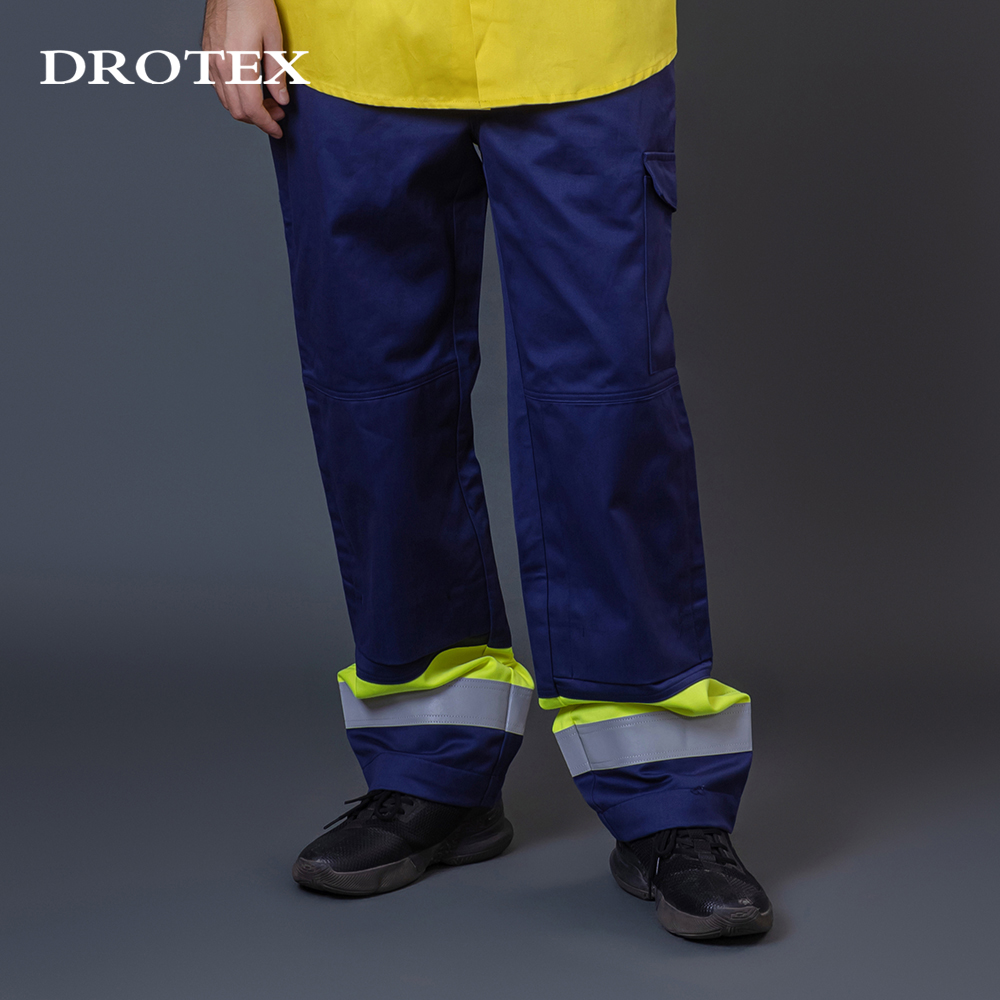
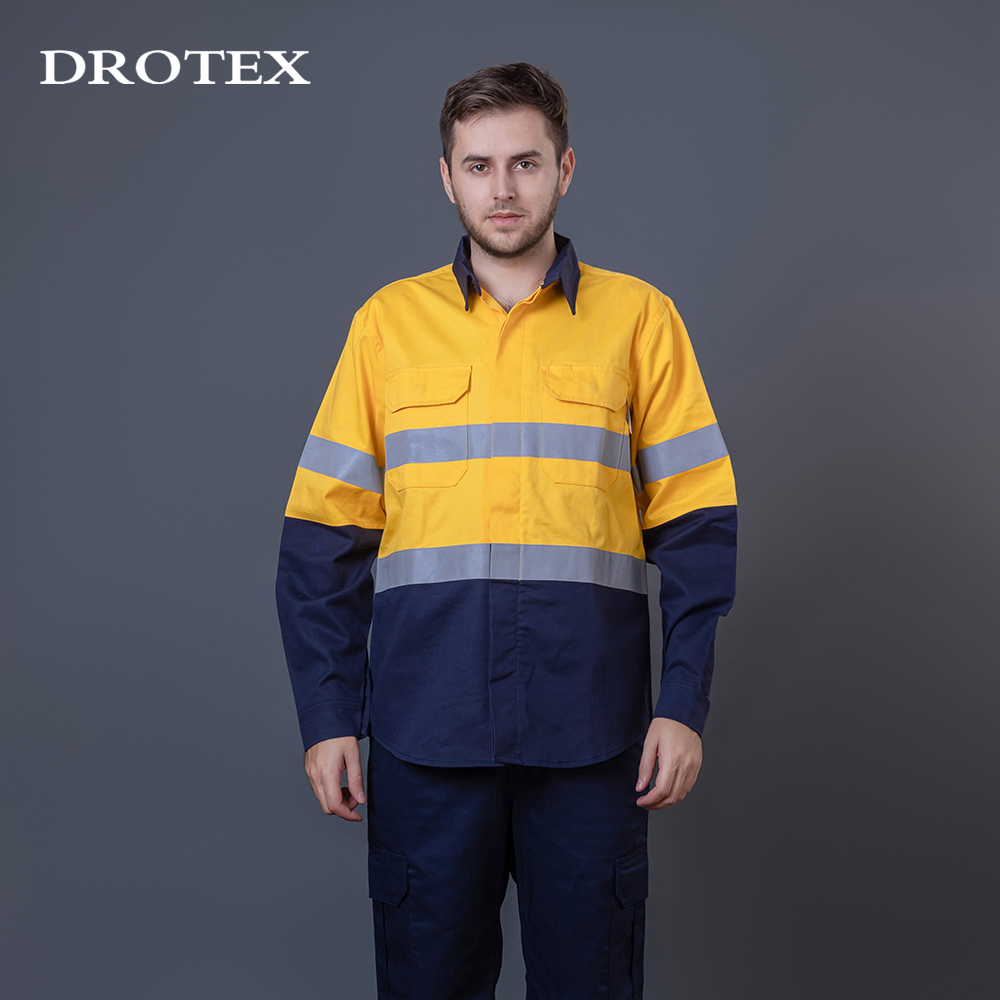
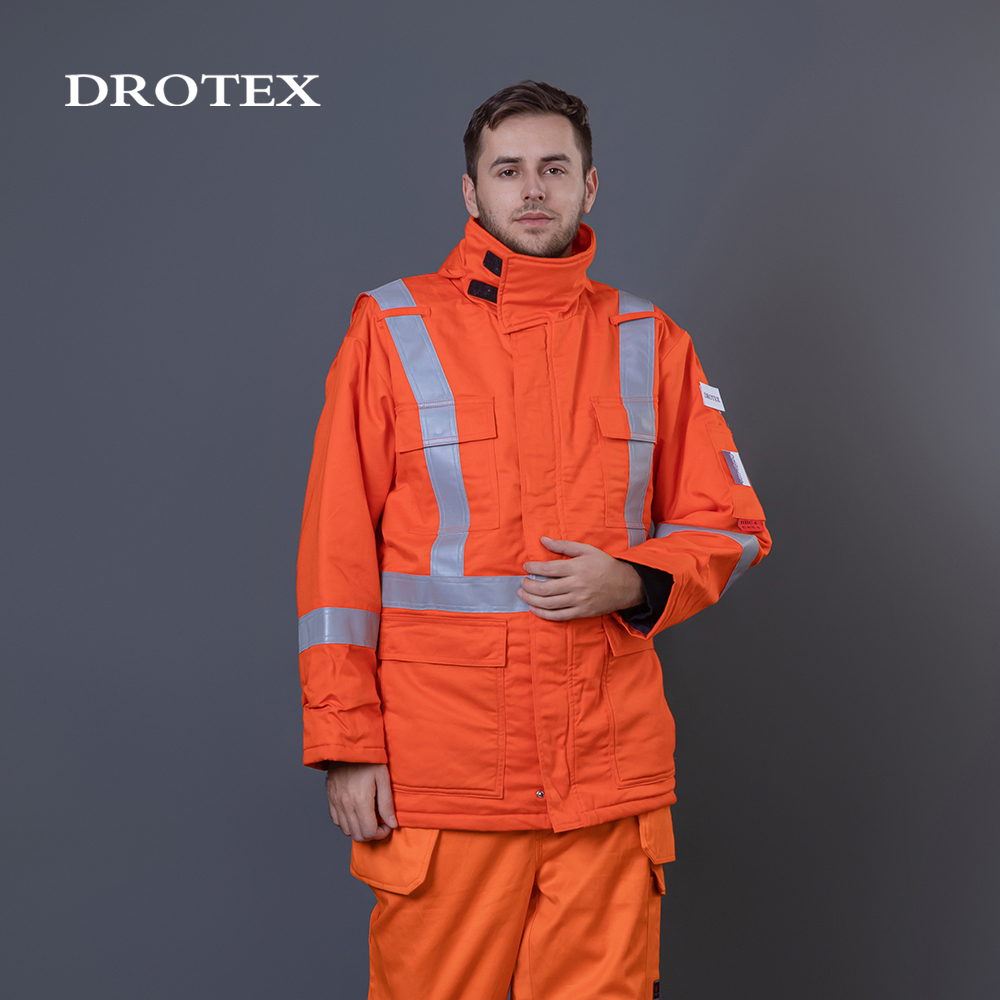
- Lightweight work jacket/vest: The most common form. Usually, several standard reflective strips are sewn onto a pure cotton fluorescent-colored vest. This type of clothing is mainly used for temporary and low-risk warnings, such as parking lot managers, temporary road construction supervisors, etc.
- T-shirts or Polo shirts: Some industries with lower safety requirements (such as inside logistics warehouses and event volunteers) may use plain cotton T-shirts with reflective strips.
Non-mandatory daily safety clothing: For example, the safety vests for children going to and from school. To achieve comfort, they may be made of all-cotton materials.
More professional high-visibility clothing fabric options
For professional environments with strict safety standards (such as EN ISO 20471 standards) (road construction, firefighting, police work, emergency rescue, etc.), professional high-visibility
clothing usually selects the following fabrics:
Fluorescent background fabric:
- Polyester fiber (polyester): This is the most popular choice. It is strong, durable, wrinkle-resistant, has high color fastness, and can undergo post-treatment such as moisture absorption and evaporation, quick drying, and waterproofing.
- Polyamide (nylon): Extremely durable and strong, it is often used in situations where high wear resistance is required.
Reflective materials:
- Reflective tape/reflective fabric: Made from tiny glass beads or micro-prism technology, it can directly reflect light back to the source. These materials are heat-pressed or sewn onto a synthetic fabric base, and are extremely firmly and durable when combined.
Therefore, when you choose high-visibility clothing, the key lies in considering the usage scenario and safety requirements. If it is only for daily leisure or low-risk warnings, the comfort of cotton clothing is a good choice; however, if it involves life safety or professional work, be sure to select professional protective clothing that meets the corresponding safety standards.